
How Active Aligners Work: A Randburg Guide to Clear Trays
- Home
- Health Care
- Blog Details
How Active Aligners Work: A Randburg Guide to Clear Trays
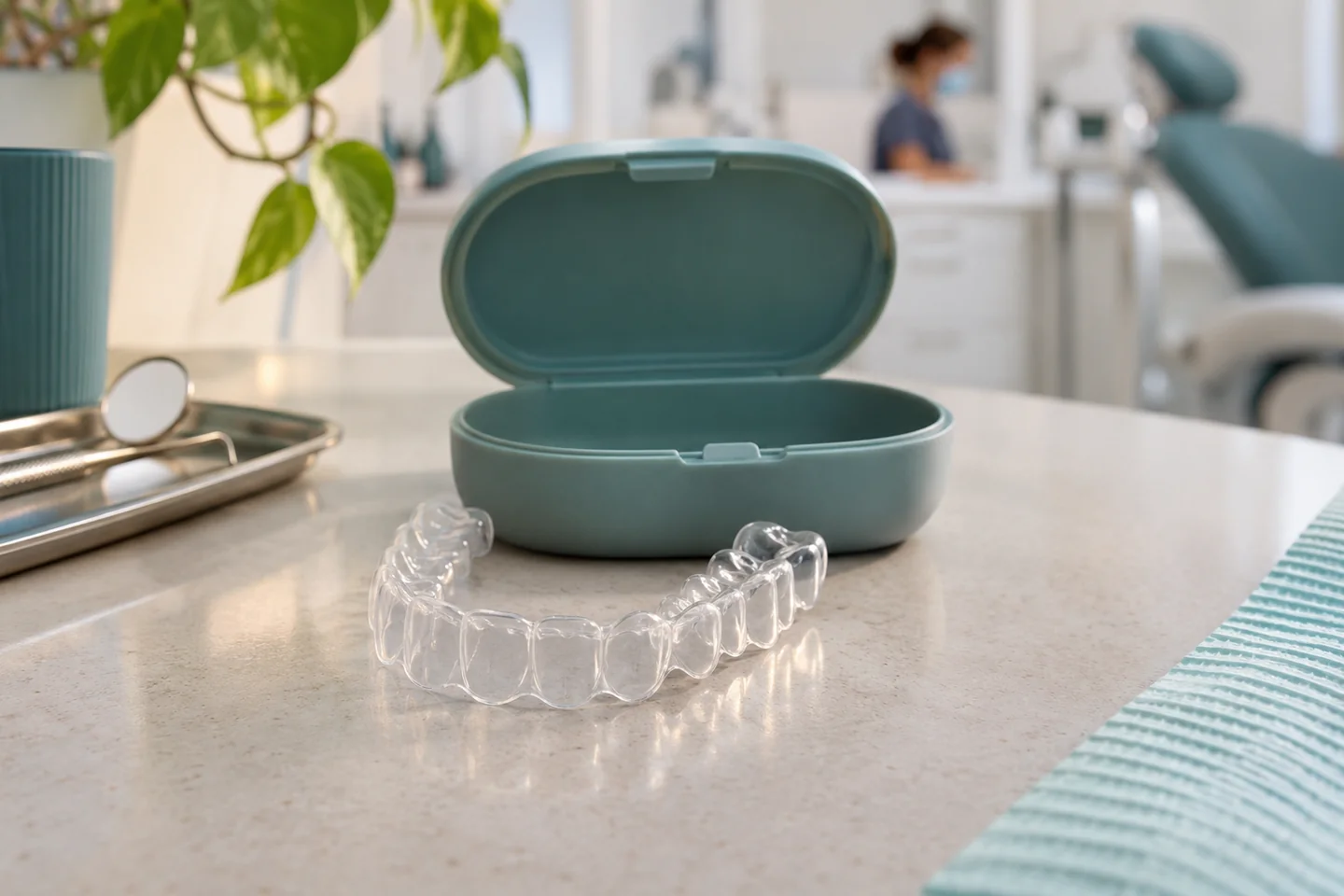
Active Aligners are a brand of clear, removable orthodontic trays. You wear them in a planned sequence so each set moves your teeth a little further. Whether they suit you depends on your bite, the health of your teeth and gums and whether you can keep to the prescribed wear schedule. Treatment also involves progress checks and usually a retainer afterwards.
This guide explains what happens from assessment to the last tray, and what wearing clear aligners looks like on an ordinary day. If you want to explore the treatment locally, see the Active Aligners service at Sparklz Dental Centre in Randburg.
Suitability assessment
Tray sequence
Daily wear
Retention
What does the clear aligner assessment cover?
Your clinician asks what you would like to change and looks at your teeth, gums and bite. They may take digital scans or impressions, photographs and X-rays when needed. These records help them decide which movements are practical and whether other dental care should come first. Tell them about previous orthodontic treatment, any old retainers and dental work such as crowns or implants.
Crowding, spacing and teeth that have shifted after earlier treatment can all bring someone in for an assessment. The appearance of the front teeth is only one part of the decision. Your clinician also checks how the upper and lower teeth meet and how the tooth roots and supporting tissues may be affected by movement. If the case needs a different appliance or a specialist opinion, ask what that means for your options.
You may be shown a digital plan of the intended movements. Ask which changes it is designed to achieve and where it may need adjustment during treatment. Think of the preview as a planning aid. Progress checks help your clinician compare what is happening in your mouth with that plan.
How do the trays move your teeth?
Each tray fits over your teeth and applies pressure in particular places. As you work through the series, the fit changes to guide the next set of movements. Your clinician will tell you how long to wear each set and when to move on. They can change the timing if the teeth need more time to settle into a tray.
Some plans use small tooth-coloured attachments bonded to selected teeth. These give the trays extra grip for certain movements. Your clinician may also recommend creating a small amount of space between selected teeth when the plan needs it. Ask why either step is suggested in your case and what you will notice while wearing the trays. See the British Orthodontic Society's patient guide to aligners.
You may notice pressure or a temporary change in speech when you first wear aligners or switch trays. If an edge rubs, the tray lifts or it stops fitting as expected, contact the practice. Tell them which tray you are on, when you changed to it and where the fit seems to be different.
How many hours a day do you wear clear aligners?
Active Aligners recommends wearing the trays for at least 22 hours a day, taking them out to eat, to drink anything other than water and to brush and floss. Follow the instructions for your own plan. An honest look at your routine helps you decide whether you can keep to those hours. Think about work meetings, school lunches, long commutes and how often you snack.
Keep your case with you. A tray wrapped in a napkin can easily end up in a bin. Take the trays out to eat and follow your clinician’s instructions about drinks, brushing and cleaning the trays. When you are away from home, a small kit with your case and the cleaning items the practice recommends can make it easier to stick to the routine.
If a tray breaks or goes missing, call the practice before skipping to the next set. The right step depends on how long you have worn the current tray and how well your teeth are following the plan. Ask whether to keep previous trays and what to do if you lose one while travelling. See Active Aligners’ patient guidance on daily wear.
Can clear aligners fit your routine?
Talk through your normal day at the assessment so you can judge how realistic the wear schedule will be.
When might fixed braces be a better fit?
With fixed braces, the brackets and wires stay on your teeth. Clear aligners come out for meals and brushing, and their effectiveness depends on how consistently you wear them. Fixed braces may be worth discussing if you are concerned about keeping trays in for most of the day or if your clinician considers brackets better suited to the movements needed.
Compare the options using your own priorities. If you play contact sport, ask what mouthguard suits your appliance. If you have meetings all day or often eat on the go, ask how to manage tray wear and cleaning. If appearance matters, ask to see what attachments and tray edges can look like at talking distance. Discuss the likely outcome for your bite with either appliance.
An Active Aligners plan is specific to that system and the clinician's assessment. If you have looked at other clear aligner brands in Johannesburg or Pretoria, compare who supervises treatment, how fit is checked and how changes to the original plan are handled.
What if your teeth need additional trays?
Your clinician checks that the trays are fitting and your teeth are moving as planned. When a tray no longer sits closely on a tooth, they may ask you to wear it longer or bring you in to assess the fit. In some cases they may take a new scan and order additional trays. Ask whether the quote includes extra scans and trays if changes are needed.
Treatment length varies with the amount and type of movement, tray wear and how the teeth respond. Ask for an estimated range once the clinician has assessed you. Keep regular dental check-ups so your dentist can monitor decay and gum health while your teeth are moving.
What does a useful progress visit tell you?
Bring the tray you are wearing and tell your clinician how often you take it out. They can check whether it seats fully and whether the planned movement matches what they see. If an attachment has come off, ask whether they need to replace it before you switch trays. Small problems are easier to discuss when you can show exactly where the tray feels different.
If a work trip or school holiday overlaps with a scheduled review, call ahead. Ask which sets to take with you and when the clinician wants to check your progress. It helps to know who to contact if you lose a tray while away.
What happens after the last tray?
A retainer helps keep your teeth in their new positions. It may look like a clear aligner, but its job is to hold the result. Your clinician explains which retainer to use and when to wear it. If it feels tight, stops fitting or cracks, ask the practice to check it instead of forcing it into place. Read the British Orthodontic Society's guidance on retainers.
Sparklz Dental Centre is at Braam Fischer Centre in Randburg, Johannesburg. If you live in Blairgowrie, Ferndale or Linden, think about which days are easiest for reviews. If you are travelling from Sandton, Rosebank or Pretoria, ask how often the practice expects to see you in person and how it handles an unexpected problem with a tray. See the contact page for the address.
Frequently Asked Questions
Are Active Aligners and Invisalign the same?
Can I eat with clear aligners in?
Do aligners work if my teeth shifted after braces?
What should I check in an aligner quote?
Book an Active Aligners assessment in Randburg
Bring your questions about tray wear, your bite and the follow-up schedule.
